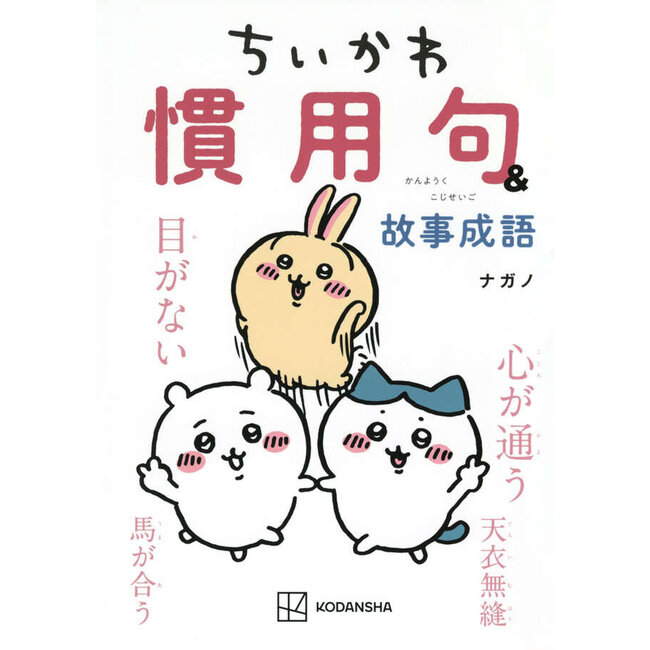

Idioms (慣用句 - kanyōku): Phrases that combine two or more words to express a specific meaning, different from the literal interpretation.
Examples:
Ashi ga bō ni naru (足が棒になる) rightarrow "One's legs become like sticks" (to be exhausted from walking).
Kata o otosu (肩を落とす) rightarrow "To drop one's shoulders" (to be disappointed/dejected).
Te ni oenai (手に負えない) rightarrow "Too much for one's hands to handle" (out of control/unmanageable).
Neko mo shakushi mo (猫も杓子も) rightarrow "Cats and ladles" (everyone, without exception).
Hana de ashirau (鼻であしらう) rightarrow "To treat with the nose" (to snub/give the cold shoulder).
Four-Character Idioms Based on Historical Tales (故事成語 - kojiseigo): Phrases derived from distant historical events or ancient Chinese stories.
Examples:
Keisetsu no kō (蛍雪の功) rightarrow "The efforts of fireflies and snow" (studying diligently despite poverty).
Gojippo hyappo (五十歩百歩) rightarrow "Fifty paces and a hundred paces" (six of one, half a dozen of the other/little difference).
Suikō (推敲) rightarrow "Pushing and polishing" (careful revision/meticulous drafting).
Dashoku (蛇足) rightarrow "Snake's legs" (superfluous addition/unnecessary elaboration).
Mujun (矛盾) rightarrow "Spear and shield" (contradiction).
This book features 150 essential Japanese phrases you should know. It offers simple and clear explanations, complemented by the adorable art and storylines of "Chiikawa."
It's a perfect resource for exam preparation (juken benkyō) as well as for generally improving your vocabulary and linguistic skills.